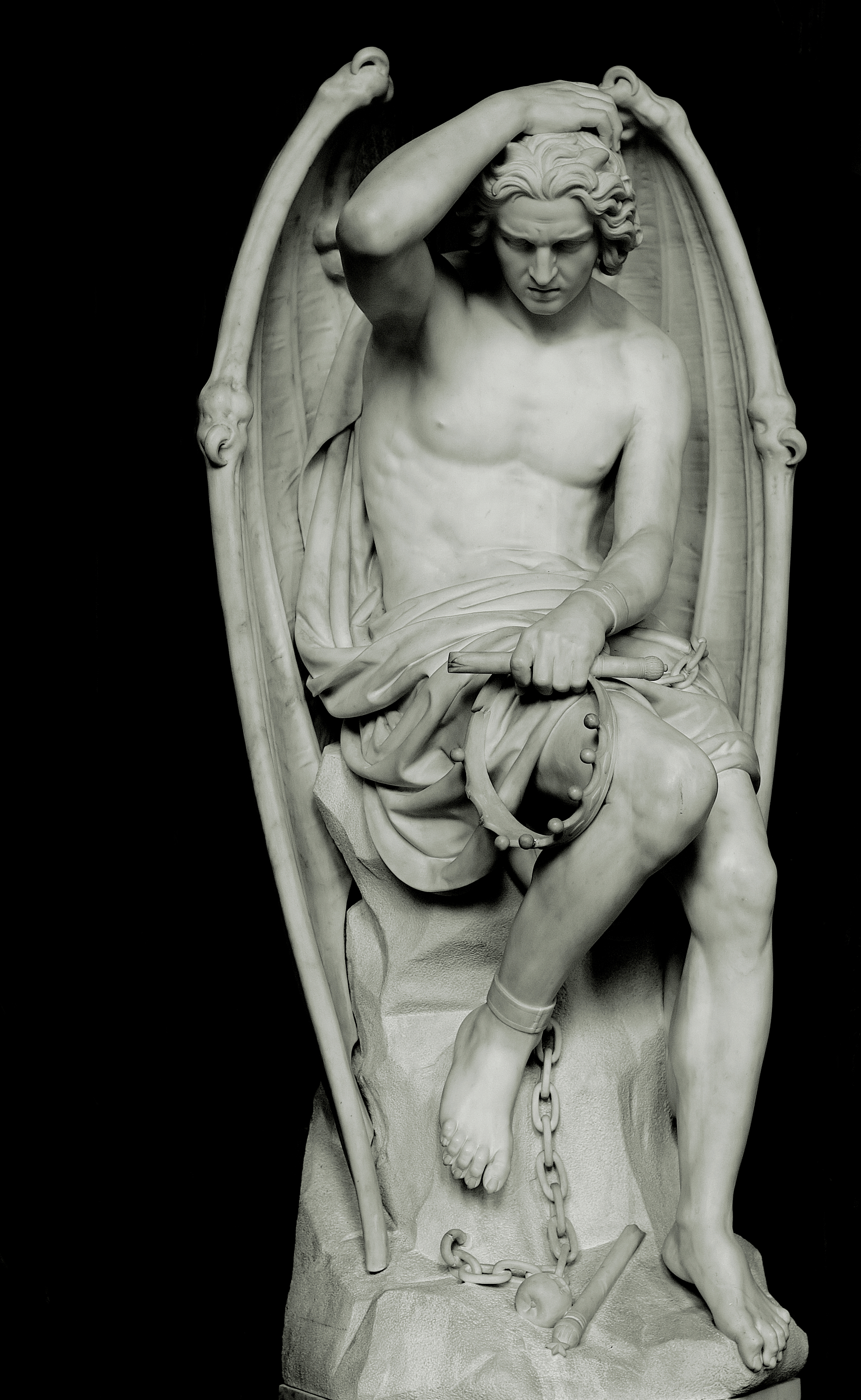
 Philip Zimbardo, professor emeritus in psychology at Stanford University, published a book last year called The Lucifer Effect. It's good reading for anyone who wants to understand Wikipedia dynamics.
Some readers will probably derive an analogy about the Stanford prison experiment. I'm more interested in Zimbardo's observations about the fundamental attribution error and how they relate to Wikipedia site organization. Faulty policies and processes contribute to onsite problems. Then particular disputes where those flaws play out get labeled as drama. Some Wikipedians get sucked into the minutiae of personalities and diffs while others regard it as an ethical responsibility to avoid all drama.
You may have seen the mantra. Get back to writing an encyclopedia.
Well yeah, that has its place. But when the policies themselves are flawed that doesn't do anything to fix them. We've had Wikipedians toddle along generating encyclopedic content until they encountered something or other that absolutely needed a policy level solution, and then thwack a bad policy hit the well-meaning editor upside the head like a week-old trout. From that point onward (wikisoap being in short supply) the whole situation stinks.
This ain't good. Too many of the people who have the capacity to fix policy and procedural level issues either get sucked into dramas and squeezed dry once they're there, or avoid the process side altogether.
I've got a bunch of ideas in this regard, but in order to keep things focused I'll work on one at a time.
Today's solution: a path back to good standing for sitebanned editors.
One real shortcoming in Wikipedia policies is what to do after somebody gets sitebanned. We handle returns in a piecemeal fashion, without clear guidance or guidelines. I've got a proposal for something to help straighten that out. And after floating it with a few people on various sides of the fence, it looks like a win-win situation.
1. One of the reasons English Wikipedia is such a wild and wooly place is that there isn't any clear route back to good standing after a community siteban. So some of the people who've been banned linger around the margins of the project.
2. Other Wikimedia projects complain about winding up with English Wikipedia's problem children. Actually Commons gets such people from all over, but demographics being what they are, English Wikipedia predominates.
3. Occasionally, editors who've been sitebanned from English Wikipedia can demonstrate positive reasons to have their siteban lifted if they do good work on a sister project.
Let's set up a formal cross-project mentorship system where editors in good standing on multiple projects can take an individual under their wing, as it were. Rather than wandering over to Commons with no help at all (or Simple English or Wikibooks or Wikinews, etc.), an editor who's on the outs with one project can go and seek a contact point for some other WMF project where he or she wants to contribute. The mentor would help introduce that person to the second site's policies and standards of conduct, and help guide contributions. If there are problems the mentor would be the primary point of contact (and hopefully would manage the matter himself or herself--at least providing background and helping to address the matter if the community needs to become involved). If all goes well, then after a sufficient time the mentor would open a new discussion at the original project demonstrating a good history at the second place as a reason to ease sanctions. So a siteban might become a topic ban with mentorship--something like that.
The advantage to the smaller projects of a formal program is that this would give a location where cross-project mentorships are known, and provide a reputable contact point in case concerns arise. The advantage to the larger projects is that this would offer a clear and productive route back to good standing for people who are potentially okay but just haven't worked out so far.
Obviously a few caveats are necessary: the kind of banned editor who makes violent threats is somebody I just wouldn't want anywhere. This solution is for square-pegs-in-round-holes situations and acceptance would be at the discretion of the potential mentor. Opening an unban discussion would also be at the mentor's discretion, normally in the neighborhood of 3 months if there's been good progress.
----
Image credit:
http://upload.wikimedia.org/wikipedia/commons/7/70/Lucifer_Liege_Luc_Viatour.jpg


 Posts
Posts

